The Ritual Trigger Warnings: What to Know Before Reading
If you are checking The Ritual trigger warnings before reading, focus less on whether the book is “dark” and more on the specific form of darkness. Shante…
If you are checking The Ritual trigger warnings before reading, focus less on whether the book is “dark” and more on the specific form of darkness. Shantel Tessier’s novel is built around hierarchy, control, ritualized power, violence, and a relationship that exists inside a secret society.
The content is not difficult only because individual scenes are explicit. The entire social system around the characters changes what consent, choice, and safety feel like.
Why context matters more than a checklist
A warning list tells you that a theme exists. It does not tell you whether that theme is incidental, part of a villain subplot, or part of the central romantic fantasy.
In The Ritual, power imbalance is structural. The Lords’ rules shape the heroine’s options and the relationship itself. Readers who are comfortable with violence but uncomfortable with institutionalized control may react more strongly than they expect.
Coercive and dub-con dynamics
Reader discussions frequently focus on coercive sexual dynamics and situations where power makes consent complicated. If that is a hard limit, this is not a book to enter on the assumption that “dark college romance” simply means possessive banter.
Drugging and impaired control
Scenes involving impaired agency are among the recurring concerns raised in reader reactions. Because the central fantasy already involves hierarchy and possession, these moments can feel especially intense.
Violence
The Lords are explicitly described by the author as men who devote their lives to violence in exchange for power. Violence is part of the institution’s identity, not an unexpected detour.
Kidnapping and threats
The story’s external conflicts can introduce captivity, threats, and survival pressure. These elements push the book beyond sexual power exchange into broader physical danger.
Why the secret society increases intensity
A dangerous boyfriend is one source of power. A dangerous boyfriend backed by an organization changes the scale. The heroine is not negotiating only with one man’s desires; she is moving through a system with rules, allies, enemies, and consequences.
That can create a stronger feeling of entrapment than a romance where the couple exists privately.
Does the book separate fantasy from real-life approval?
Like most dark romance, the genre contract assumes readers can enjoy fictional power fantasies without treating them as relationship advice. But that does not mean every reader will find the fantasy enjoyable.
A trope can be intentionally transgressive and still be a personal hard no.


Is The Ritual a good first dark romance?
It depends on what drew you to the genre. If secret societies, possession, ritual, and extreme power are exactly the elements you want, the book is very clear about its identity.
If you are only looking for a slightly darker college romance, there are gentler entry points.
Why social-media edits can misrepresent intensity
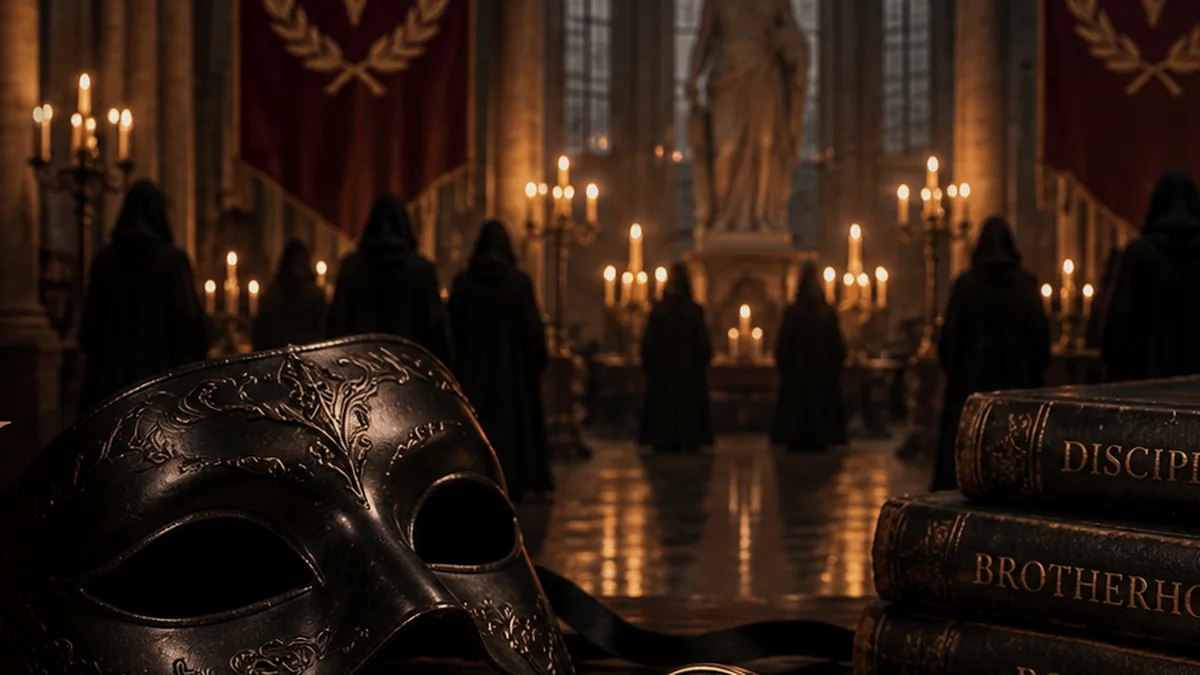
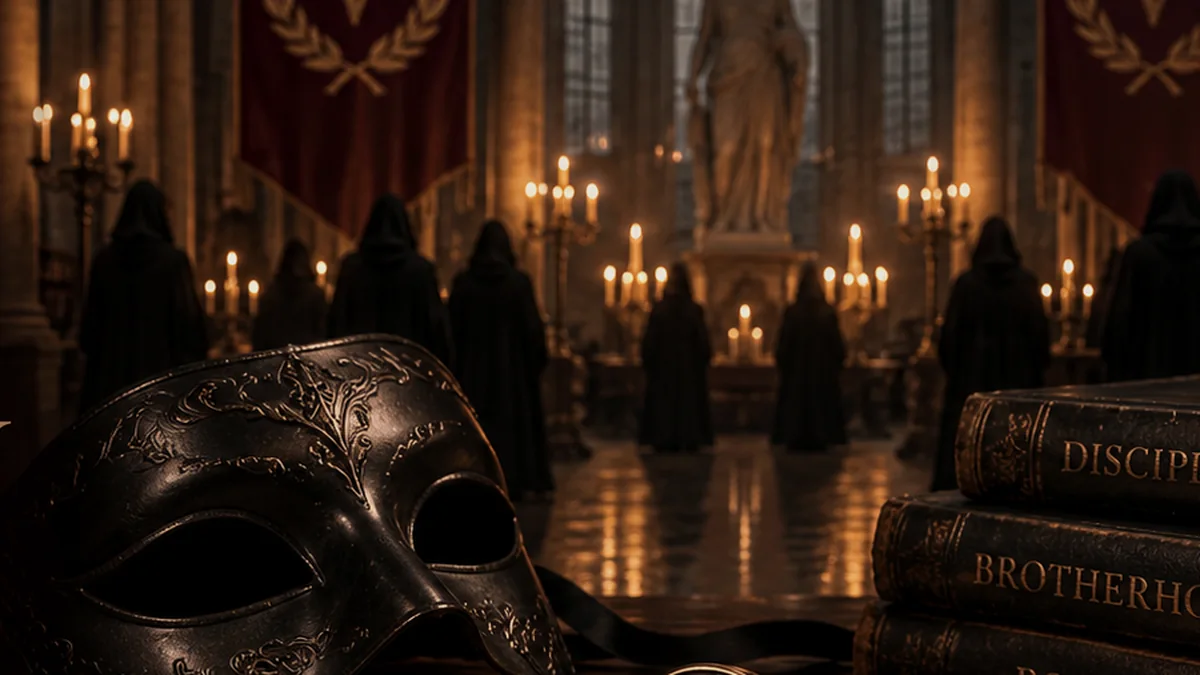
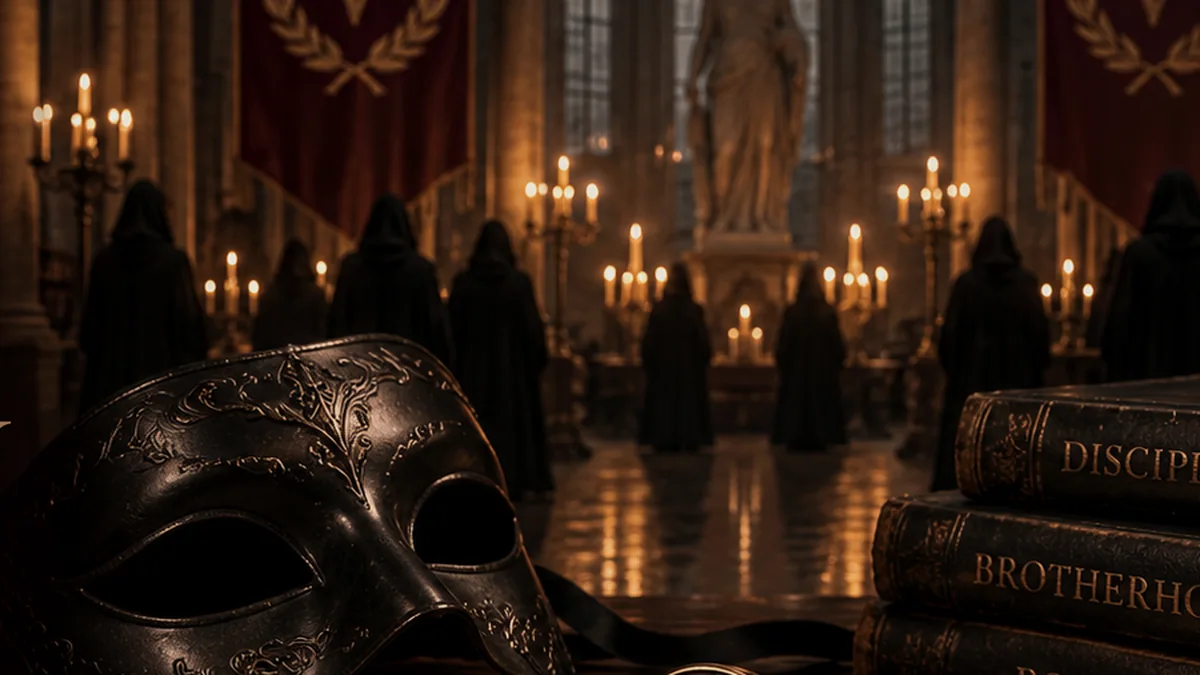
Edits reduce books to aesthetics: black suits, masks, rings, quotes, wealth, and possessive dialogue. Those elements are real, but they remove the surrounding context that makes a scene disturbing or coercive.
Always compare the aesthetic hook with the full warning information before deciding.
A practical pre-read filter
- Are you comfortable with severe power imbalance?
- Are coercive or impaired-consent dynamics a hard limit?
- Do secret-society ownership themes appeal to you or make you anxious?
- Are you comfortable with violence and captivity as part of the wider plot?
- Do you enjoy deliberately exaggerated, melodramatic dark romance?
If the answer is no
Skipping the book does not mean dark romance is not for you. Mafia romance, dark fantasy, masked-man romance, revenge romance, gothic romance, and morally gray contemporary stories can create darkness through completely different mechanisms.
Final judgment
The Ritual is dark because the relationship exists inside a system of control. Individual warnings matter, but the institutional power is what makes the book feel consistently extreme.
Read the current author warnings, use reader reviews for context, and do not let the book’s polished secret-society aesthetic convince you that the darkness is only decorative.
Content note: dark romance can include coercion, violence, stalking, captivity, abuse, and other sensitive material. Always check the author’s current content warnings before reading.
Editorial note: this review evaluates the book’s published premise, official content information, series context, and recurring reader reactions. Dark-romance preferences are highly individual; content warnings matter more than hype.
Central darkness versus external danger
The most important warnings are the ones tied directly to the romantic and institutional dynamic. Power imbalance, control, impaired agency, possession, and coercive structures shape the reader’s experience continuously. External violence and kidnapping can be severe, but they function differently because they are easier to classify as obvious danger.
For many readers, the harder material is not the bloodiest scene. It is the moment where the book asks them to experience control as part of attraction.
Why readers disagree so strongly about severity
Dark-romance readers build different internal scales. Someone accustomed to captivity romance may describe The Ritual as moderate. Someone coming from contemporary romance may find the same material extreme. Neither description is useful without context.
This is why specific warnings outperform labels such as “very dark” or “not that bad.” A precise list lets the reader compare the book with their own boundaries instead of someone else’s tolerance.
Should you read reviews with spoilers?
Only if a specific trigger requires more detail than the official warning provides. Otherwise, spoiler-light context is usually enough. You can protect both your boundaries and most of the plot surprises.
What this means for your reading decision
The most useful review is not the one that tells every reader to buy or skip the same book. It identifies the book’s strongest creative choice, its weakest structural habit, and the type of reader for whom that tradeoff is worthwhile.
Dark romance is especially dependent on personal boundaries. A trope that creates tension for one reader can destroy the experience for another. Use criticism to understand the mechanism, then decide whether that mechanism matches what you want from fiction.