Does It Hurt? Review: A Real Critique of H.D. Carlton’s Survival Dark Romance
Does It Hurt? is what happens when a hostile dark romance crashes into a survival thriller and then washes ashore at a decaying lighthouse. H.D. Carlton u…
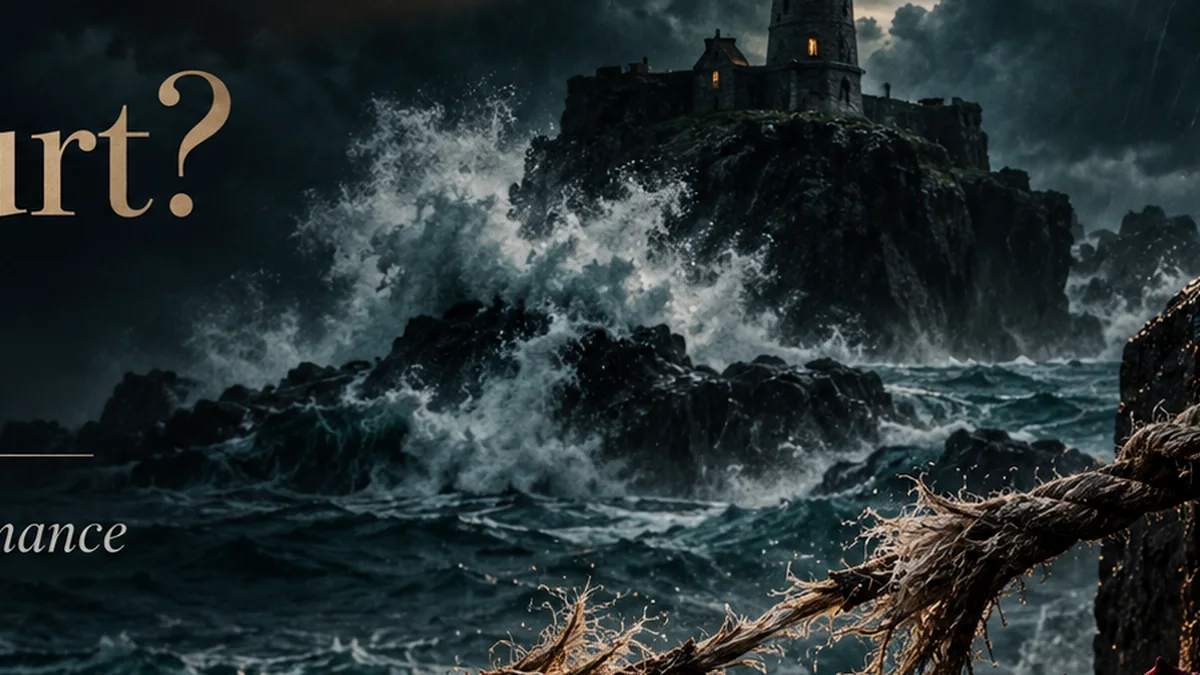
Does It Hurt? is what happens when a hostile dark romance crashes into a survival thriller and then washes ashore at a decaying lighthouse. H.D. Carlton uses deception, revenge, sexual aggression, the ocean, isolation, and gothic dread to build a standalone that is far less culturally dominant than Haunting Adeline but, in some ways, more interesting structurally.
Editorial verdict
The setting is better than the relationship. That sounds harsher than it is. The hostile chemistry between Sawyer and Enzo gives the novel heat and momentum, but the ocean, storm, isolation, and lighthouse are what make the book memorable instead of just another aggressive enemies-to-lovers story.
The main weakness is escalation. The book wants to be erotic, absurd, threatening, mysterious, and gothic almost immediately. When every dial starts high, there is less room to increase intensity naturally.
Sawyer is an unusual heroine for this kind of book
Sawyer’s instability is part of the premise. She is not presented as a normal woman accidentally dragged into a dangerous man’s life. She is already moving through the world using deception and stolen identities.
That choice gives her more edge than the passive heroine archetype and makes the relationship feel less like predator versus innocent. She is vulnerable in some ways and ethically compromised in others.
The book could have pushed this even further. Her identity theft is such a distinctive character hook that it sometimes feels underused once the survival plot takes over.
Enzo is strongest when he is not simply “the dangerous man”
Enzo’s expertise and connection to the ocean give him a specific identity beyond possessiveness. The marine setting makes his competence believable within the world of the novel.
However, the early sexual and hostile escalation arrives so quickly that the reader has limited time to understand him before intensity becomes the main language of the relationship. For readers who want immediate chemistry, this is efficient. For readers who want tension to accumulate, it can feel rushed.
The title tells you what kind of romance this is
Does It Hurt? is not built around emotional gentleness. The relationship repeatedly links attraction with pain, anger, revenge, and control. That connection is central to the fantasy.
The problem with a premise this heightened is that the book has to keep finding new ways to surprise the reader. Sexual hostility alone cannot sustain a full-length novel. This is why the survival and lighthouse plot becomes so important.
The ocean changes the power dynamic
One of the strongest aspects of the novel is that nature does not care how dominant either character thinks they are. Once survival becomes the problem, romantic power games exist inside a larger force that cannot be negotiated with.
This creates a useful contrast with many dark romances, where the male lead is effectively the most powerful thing in the story. Here, the environment can make both characters small.
The lighthouse gives the book gothic credibility
Isolation, an old caretaker, decaying architecture, and the question of whether the people sharing the space are more dangerous than the storm outside move the novel toward gothic suspense.
These sections have a different texture from the early erotic hostility. For some readers, that tonal shift is the point. For others, it can feel like the book changes genres halfway through.
Still, the lighthouse is where Does It Hurt? becomes more than its provocative title.
The biggest structural problem: it can feel like two books
The first mode is aggressive attraction and revenge. The second is survival-gothic suspense. Both are readable, but the transition is not seamless.


A tighter version of the novel would make the early relationship dynamics more directly predictive of the later survival choices. Instead, the book sometimes feels as if it uses the storm to reset the board and begin a new kind of story.
Shock, absurdity, and reader tolerance
H.D. Carlton has a high tolerance for melodrama and extreme circumstances. That is part of the brand. Readers who enjoy pulpy escalation can experience the novel as a wild ride. Readers who want plausibility may keep noticing the hand of the author pushing characters toward the next extreme situation.
This is why reader reactions can differ even when people agree that the book is entertaining. “Entertaining” and “convincing” are not the same standard.
What works
- Atmosphere. Ocean and lighthouse imagery give the book a strong visual identity.
- A heroine with moral edge. Sawyer is not written as pure innocence.
- External danger. Survival changes the relationship instead of leaving the couple in a closed erotic loop.
- Standalone structure. Readers do not need a six-book universe.
- Genre collision. Romance, thriller, survival, and gothic material create variety.
What does not work as well
- The opening escalation is extremely fast.
- Character psychology sometimes serves the next shock rather than the other way around.
- The novel can feel divided into an erotic-hostility book and a lighthouse-thriller book.
- Sawyer’s identity-theft premise could be developed more deeply.
- Melodrama may overwhelm readers who need plausibility.
How dark is Does It Hurt?
H.D. Carlton’s official library lists warnings including graphic sexual situations, graphic violence and gore, mentions of dub/non-consent, abuse-related material, near-death situations, being stranded in the ocean, and suicide-related themes.
The darkness comes from both the relationship and the survival plot, which makes the experience broader than a romance where the hero is the only source of threat.
Who should read it?
Readers who enjoy hostile attraction, survival thrillers, isolated settings, ocean danger, and dark romance that does not require a long series commitment.
Who should skip it?
Readers who need slow-burn emotional development, realistic decision-making, or a consistent genre tone. Anyone sensitive to ocean-stranding or suicide-related material should check the official warnings carefully.
Final judgment
Does It Hurt? is messy in an interesting way. It is less controlled than the best survival thrillers and less emotionally focused than the best enemies-to-lovers romances, but the combination creates a book with genuine personality.
The lighthouse and ocean are the real stars. The romance supplies the combustion. When those two elements reinforce each other, the novel is gripping. When they compete, the seams show.
Content note: dark romance can include coercion, violence, stalking, captivity, abuse, and other sensitive material. Always check the author’s current content warnings before reading.
Editorial note: this review evaluates the book’s published premise, official content information, series context, and recurring reader reactions. Dark-romance preferences are highly individual; content warnings matter more than hype.
The identity-theft premise deserved more room
Sawyer’s way of surviving before the central romance gives the book a built-in theme of unstable identity. She moves through other people’s names, avoids permanence, and treats identity as something practical rather than sacred. That could have connected beautifully to the later question of who she becomes when there is nowhere left to run.
The novel uses the premise effectively as setup, but the survival thriller eventually becomes more dominant. A more thematically unified book would make her identity theft and the lighthouse story speak to each other more directly: false names, isolation, guilt, and the inability to escape yourself all belong in the same psychological conversation.
Does the romance earn its emotional shift?
Partially. Shared danger is one of the oldest ways to accelerate intimacy because survival strips away ordinary social distance. In that sense, the later closeness makes structural sense. The characters see each other under pressure and become mutually necessary.
But necessity is not identical to trust. The book sometimes treats surviving together as sufficient evidence that earlier hostility has transformed into something emotionally stable. Readers who accept heightened romance logic will go with it. Readers who want more explicit emotional repair may feel a step is missing.
Why the standalone format helps
Unlike an interconnected universe that must plant future couples and family conflicts, Does It Hurt? can spend its atmosphere on one contained nightmare. This gives the lighthouse section a claustrophobic advantage. The reader is not constantly being reminded that another hero needs a setup scene for the next book.
That containment is one reason the novel remains memorable even when the plotting becomes exaggerated. It feels like a complete, strange object rather than chapter one of a franchise.
What this means for your reading decision
The most useful review is not the one that tells every reader to buy or skip the same book. It identifies the book’s strongest creative choice, its weakest structural habit, and the type of reader for whom that tradeoff is worthwhile.
Dark romance is especially dependent on personal boundaries. A trope that creates tension for one reader can destroy the experience for another. Use criticism to understand the mechanism, then decide whether that mechanism matches what you want from fiction.