Is Haunting Adeline Dark Romance? Genre & Reader Fit
Yes, Haunting Adeline is stalker-centered dark romance with thriller themes. Learn how it differs from romantic suspense and who it suits.
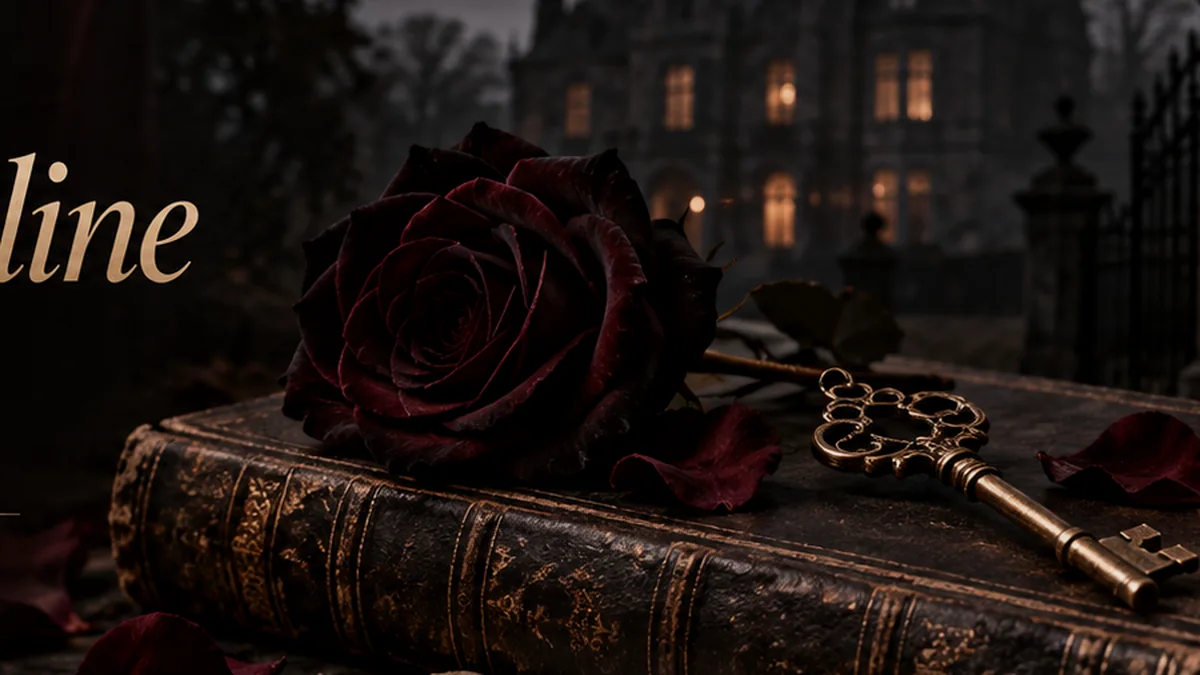
Yes: Haunting Adeline by H. D. Carlton is dark romance, specifically a stalking- and obsession-centered story with thriller elements and extreme content warnings. This is not just a label applied by BookTok. Carlton’s own official library calls it stalker romance and identifies non/dubious consent, violence and trafficking-related content in the Cat & Mouse warning material.
The more useful question is what kind of dark romance it is. Many books marketed as dark romance feature morally compromised characters but very different kinds of danger. Haunting Adeline places violation of boundaries and obsessive pursuit inside the central romantic dynamic, while the wider plot also involves criminal exploitation and threat. That combination makes it a poor recommendation for someone who expects ordinary contemporary romance with a mysterious atmosphere.
Why Haunting Adeline belongs to dark romance
Dark romance is not one legally defined category with a fixed checklist. In book discovery, it commonly refers to fiction where the romantic relationship interacts with danger, coercion, obsession, violence, unequal power or behavior that would be alarming outside fiction. Those features may be the central fantasy, the source of conflict, or both. The level of explicit sexual material varies from book to book and should not be used as the only classification rule.
Haunting Adeline fits because of the core relationship mechanism rather than its cover design. The official description presents a narrator who wants an unwanted watcher to leave but cannot ignore him, and a watcher who refuses to stay away. The author’s trope listing includes stalker romance, villain-to-lovers energy and love/hate. Those choices make relational danger part of the story’s engine. For a reader evaluating this book, that is a more useful description than simply ‘very dark’.
The difference between dark romance and romantic suspense
Romantic suspense usually builds danger around mysteries, crimes, investigations or external antagonists while a romantic partnership develops. Dark romance can also contain those elements, but the person at the center of the romance may be the source of fear or coercion. In Haunting Adeline, both forms of danger appear: the love interest’s pursuit is disturbing in its own right, and outside threats contribute to the wider suspense plot.
That distinction affects recommendations. Someone who enjoys detectives protecting each other from a villain may not want to read about an obsessive pursuer who disregards a woman’s boundaries. Conversely, someone looking specifically for stalker romance may find a gentle romantic thriller too tame, even if the thriller contains plenty of murders. The mechanism matters more than a marketing tag.
Is it horror?
The book uses intimidation, dark imagery and psychological unease, but it is not best described solely as horror. Its central relationship, erotic tension and romantic arc are integral to how the story is sold and discussed. A reader can find a scene frightening without the entire novel belonging to supernatural horror or being designed around jump scares.
If you want atmospheric Gothic fiction, ask whether you prefer haunted settings, supernatural threats and dread, or whether you actively want the romantic lead to be morally dangerous. Those are different interests. Our dark-romance tropes guide can help separate stalker romance from Gothic romance, mafia romance and secret-society plots.
What makes Zade Meadows controversial?
The male lead, Zade Meadows, is not presented as a reassuring traditional boyfriend at the beginning of the story. His fixation and boundary-crossing are part of the narrative attraction and discomfort. The reader’s response often turns on whether that extreme fantasy feels compelling, upsetting, or both. A fair character discussion should describe those behaviors without confusing fictional fascination with healthy relationship advice.
Reducing Zade to ‘protective alpha male’ strips away what makes the novel distinct. Reducing the entire book to ‘bad people do bad things’ is equally unhelpful. The story juxtaposes obsession, agency, fear and external criminal threat. If you want to evaluate his narrative role rather than just the trope label, see our Zade Meadows character guide.
Who is Adeline Reilly in this premise?
Adeline is the female lead and author whose perspective anchors the experience of being watched and pursued. The official blurb makes her contradictory responses important: she wants the watcher to leave, yet attraction and curiosity complicate how she experiences his presence. An accurate genre guide must allow that contradiction without treating it as consent to everything that follows.
It also matters that readers encounter much of the story through her vulnerability and uncertainty. The plot’s suspense comes partly from what she can know, what she can control and what other people impose on her. That makes the romantic tension inseparable from questions about power. For character-specific information, our Adeline Reilly guide handles her role without turning this article into a cast list.
Does high spice make a book dark romance?


No. Explicit sex is one dimension of adult content; darkness is about the behavior, threat, power imbalance and emotional structure. A relatively low-spice book can still be psychologically disturbing. A very explicit book can be playful, consensual and emotionally reassuring. The two scales overlap, but they should not be collapsed into one rating.
Carlton’s warning material includes explicit sexual situations, but it also includes central-relationship non/dubious consent and serious external violence. A description like ‘five flames’ does not tell a reader whether those themes cross a boundary. Read our Haunting Adeline spice-level guide for the sexual-content question and the trigger-warning page for the wider material.
Is Haunting Adeline suitable for dark-romance beginners?
That depends on the reader, but it should not be presented as a universally gentle first book. Its warning list makes clear that obsession and consent violations are not soft-edged metaphors. A reader new to the genre who specifically wants boundary-pushing fiction may choose it knowingly. Someone who wants a low-stakes introduction may prefer a darker romantic comedy or suspense title with a less coercive central relationship.
Beginner does not mean immature or unable to cope with difficult themes. It means you are still learning which subgenres and storytelling mechanisms actually match your preferences. Start by naming the elements you want—mystery, morally compromised characters, danger outside the relationship, or danger inside it—and the elements you will not read. Our beginner guide offers a broader comparison.
The direct sequel matters to the classification
Haunting Adeline is the first part of the Cat & Mouse Duet. Hunting Adeline follows directly and has its own, very extensive official content warnings. The second book’s description shifts the emphasis toward captivity and survival; readers deciding whether to finish the story need to understand that the intensity does not remain fixed at book one’s level.
Do not confuse a two-book plot with connected standalones where each novel follows a different couple. Here, the central emotional and thriller storyline continues. Our Cat & Mouse reading-order guide gives the straightforward order and explains why another Carlton title is not automatically a numbered third volume.
Is it a love story if the behavior is harmful?
Genre labels classify the structure and intent of a work, not whether its characters make choices a reader would endorse. A romance can portray dangerous or morally compromised people, and a reader can engage with that fantasy while recognizing the conduct as harmful outside fiction. The relationship is central to the text’s appeal and narrative progression; that is why a dark-romance label is more illuminating here than a generic thriller label alone.
Not every adult reader will agree on how satisfying or persuasive the romance is, and they do not have to. A critical review can weigh characterization, narrative accountability and execution independently from someone’s comfort with the trope. Our Haunting Adeline review is the appropriate place for that kind of evaluation; this page owns the genre-classification question.
What to read if you like the idea but not the intensity
Choose by what attracted you, not by copying the harshest warning label. If you want masked-man fantasy and playful banter alongside suspense, Navessa Allen’s Lights Out has an officially described mixture of desire, fantasy, humor and outside danger, though it still carries meaningful stalking and privacy warnings. If you want dark fairy-tale archetypes, Emily McIntire’s Never After titles offer separate couples and different themes. Neither is a guarantee of low intensity; read each author’s warnings before choosing.
The useful comparison is between mechanisms: one book might put danger within the romantic relationship, another in a villain outside it, and another in an institution that controls both leads. That is a better decision tool than asking for anything with a similar cover or a popular fictional man.
Frequently asked questions
What genre is Haunting Adeline?
Dark romance with stalker-romance and thriller elements. The author describes the book with stalking and villain-to-lovers tropes and lists severe content warnings.
Is it just a thriller with a romance subplot?
No. The central pursuit and attraction are integral to the premise. External criminal threats also influence the suspense plot, so the genres overlap.
Is stalking romanticized?
The story positions obsessive pursuit inside its dark-romance fantasy. That does not mean the conduct is healthy or should be imitated, and readers may respond to its treatment very differently.
Is it an appropriate low-spice first romance?
Not a reliable recommendation for that purpose. The author’s warnings identify explicit sexual material and serious consent and violence concerns.
Do I need to read Hunting Adeline?
It directly continues the Cat & Mouse Duet. Whether to read it should depend on your interest in the story and your comfort with its separate warning list.
Final reader-fit verdict
Yes, Haunting Adeline is dark romance. It is most likely to suit adult readers deliberately seeking obsession, stalking and a relationship that produces discomfort as part of the fantasy, provided the official warnings do not cross personal boundaries. If you mainly want tender romance with an occasional dark mystery, there are better starting points. Use the author’s primary description and warnings rather than a viral character edit as the final check.