The Ritual Characters: Ryat, Blakely & the LORDS Explained
Meet the central characters in Shantel Tessier's The Ritual: Ryat, Blakely, and the LORDS power structure that shapes their dark romance.
The two central characters in Shantel Tessier’s The Ritual are Ryat Alexander Archer and Blakely, but the real third force in the story is the Lords themselves. The secret society is not just background decoration: its rules, rituals, power, and manipulation shape the choices available to both leads. That is why a useful character guide has to explain roles and power relationships rather than simply list names.
The author’s official synopsis identifies Ryat by full name and frames the heroine as someone whose life has been planned for her before he offers what looks like freedom. The novel then complicates that promise by revealing how the Lords use people and relationships to get what they want. This guide keeps spoilers controlled while explaining the characters readers actually need to understand.
Ryat Alexander Archer
Ryat is the male lead and a member of the Lords, the secret society based around Barrington University. In the official synopsis, he appears first as the person who gives the heroine an option she has never had before: a path that looks like freedom from a life controlled by wealth, family expectations, and predetermined choices.
That first impression is intentionally unstable. Ryat belongs to a system whose members trade violence for power, and the heroine later recognizes that what she believed was freedom was entangled with manipulation. For character analysis, that makes Ryat more important than a generic “possessive hero” label. His romantic role, institutional role, and control over information all overlap.
Current Google Books metadata for the 2026 edition also describes the hero as jealous/possessive and over-the-top, while emphasizing that the book contains dark themes. Those descriptors help explain reader expectations, but they do not replace the plot-level fact that Ryat’s power is connected to the Lords.
Blakely
Blakely is the heroine at the center of Ryat’s relationship and the Lords’ chosen-one system. The official blurb is written from her perspective even though it does not foreground her name on the author’s web page. Her defining conflict is clear: she has grown up surrounded by money but without meaningful control over the direction of her life.
That history matters because Ryat’s offer is attractive precisely where she is most constrained. He appears to offer choice. The story then tests whether that choice was ever as free as it seemed. Reading Blakely only as the object of Ryat’s obsession misses the novel’s core tension between agency and a structure designed to control her.
Her role also explains why the book can feel simultaneously like a dark college romance and a secret-society story. Barrington University is the setting, but the pressure on her does not come from ordinary campus conflict. It comes from wealth, family expectations, ritualized rules, and the Lords’ ability to make private relationships part of a larger power system.
The Lords
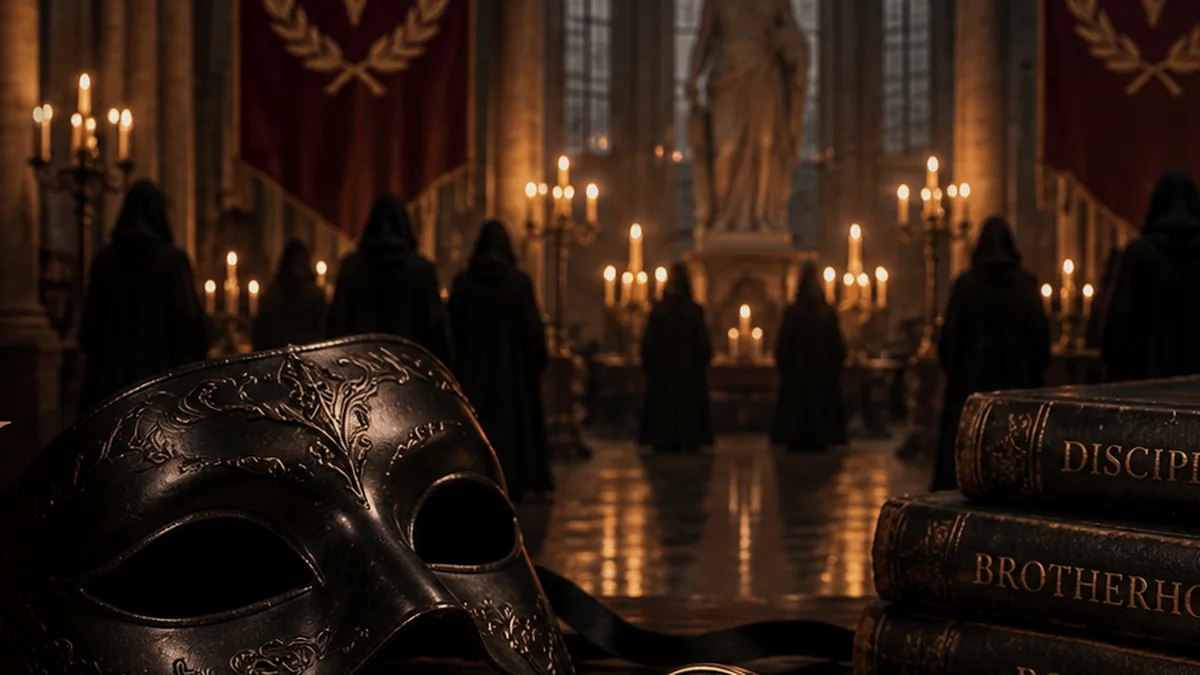
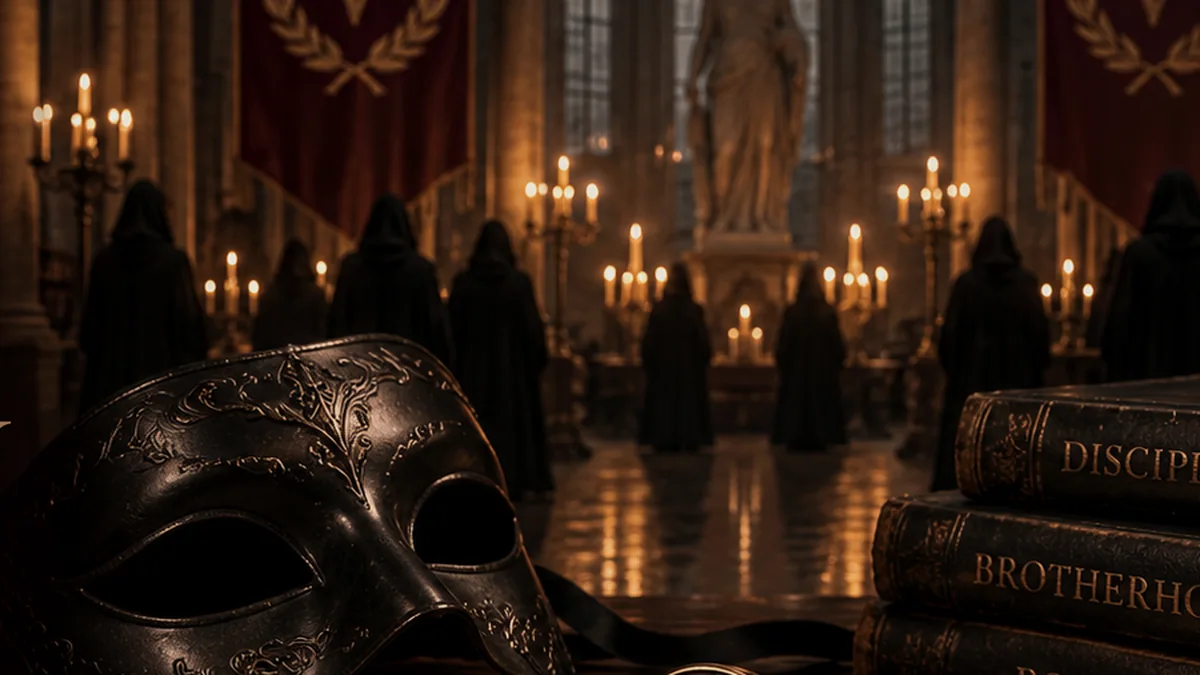
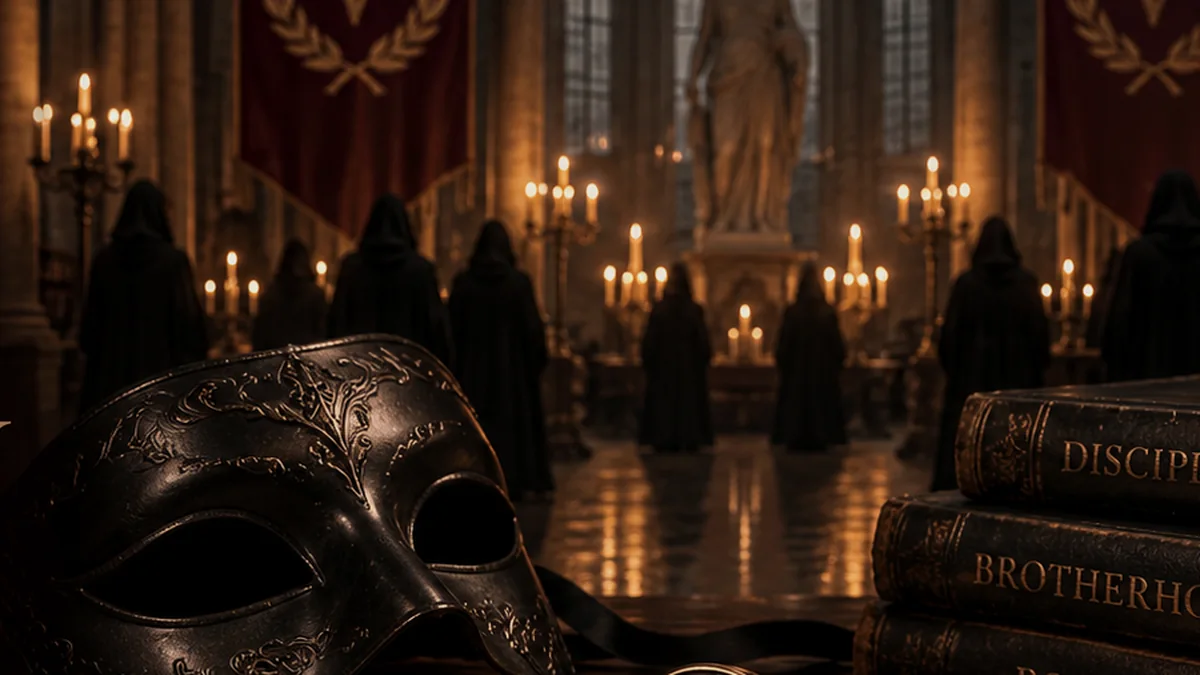
The Lords function almost like a collective character. Tessier’s official description says Barrington University is home to the society, that its members are extraordinarily powerful, and that they devote their lives to violence in exchange for power. During senior year, they are offered a “chosen one.” Those rules create the structure in which Ryat and Blakely’s relationship develops.
This is important for readers searching for a character list because many of the novel’s decisions make less sense if the Lords are treated as anonymous scenery. Their institution controls status, ritual, expectations, and consequences. Individual members matter, but the system is what gives their actions weight.
For a spoiler-light first read, you do not need to memorize every Lord before starting. You need to understand the hierarchy: Ryat operates from inside a powerful organization, while Blakely enters a world where the rules were designed long before she had a say in them.


Why Ryat and Blakely’s power imbalance matters
Character chemistry in The Ritual cannot be separated from access to power. Ryat knows the Lords’ world from within. Blakely encounters it through a relationship she initially experiences as an escape. That difference in knowledge changes how each person interprets choice, danger, and loyalty.
The result is not simply “dominant hero plus sheltered heroine.” The book’s premise makes control institutional. Ryat can be a romantic lead and simultaneously be part of the mechanism that limits Blakely’s freedom. The tension between those roles is one reason readers often react strongly to him.
If consent and manipulation are major boundaries for you, use our The Ritual trigger warnings before reading. A character guide can explain the power structure, but it should not substitute for a warning guide when your decision depends on specific content.
Is The Ritual a standalone if the Lords keep appearing?
Yes in the romantic-arc sense. Tessier’s official page calls The Ritual a dark standalone romance, while current 2026 bibliographic metadata places it as book 1 of the larger Lords sequence. Those facts can coexist: Ryat and Blakely’s book is designed as its own central romance, but the secret-society world continues into later books.
That is useful character context. You do not need to arrive with a cast chart from later Lords books in order to understand Ryat and Blakely. If you continue the universe, however, the organization and its culture become the connective tissue. Our The Ritual series order explains that larger reading sequence without turning this page into an order guide.
Who matters most on a first read?
For a first read, prioritize three layers. First, understand Blakely’s lack of control before Ryat; it explains why his offer is powerful. Second, understand Ryat as both romantic lead and Lord; his institutional position changes the meaning of his choices. Third, understand the Lords as a system whose promises, rituals, and consequences shape the relationship.
Side characters can matter to twists, loyalties, and later world-building, but listing every named person without context is less useful than explaining the power map. This page therefore avoids pretending that all characters have equal narrative weight.
Ryat: protector, manipulator, or both?
The official synopsis deliberately supports both readings. He offers the heroine freedom, yet she later describes that promise as another lie and part of the Lords’ manipulation. A useful interpretation does not flatten one side to protect the other. Ryat’s appeal comes from the collision between intense devotion, control, danger, and the possibility that the thing presented as rescue can also become another form of captivity.
Whether that dynamic works for you depends on what you want from dark romance. Readers seeking a morally uncomplicated protector may find him frustrating. Readers interested in possessive heroes whose romantic and coercive power are difficult to separate are closer to the book’s actual design.
Blakely: why “chosen one” is more than a trope label
“Chosen one” in this novel is not the heroic-fantasy version of being selected for greatness. It is a role inside the Lords’ system. That changes the character meaning immediately. Being chosen can look like privilege while still reducing the person chosen to a position defined by other people.
Blakely’s character arc is therefore best read through agency: what choices are available, what information she has when she makes them, and how her understanding of the Lords changes. The official synopsis moves from apparent freedom to manipulation and ultimately to survival, which is a much sharper arc than a generic “innocent heroine meets dangerous man” description.
How the character dynamics shape the tone
The book is marketed as dark romance, and current Google Books metadata also categorizes it under dark romance, new adult, and psychological thriller. Those labels make sense because the character relationships carry both romantic and suspense pressure. Ryat is not dangerous in a vacuum; his position makes the romance part of a larger system of secrecy and threat.
That is also why readers should separate attraction from safety when deciding whether the book fits. The novel can make possessiveness compelling as fantasy while still building tension from deception, manipulation, and survival. For a broader critical take, see our The Ritual review.
Bottom line on The Ritual characters
Ryat Alexander Archer and Blakely are the central couple, while the Lords are the power structure that makes their relationship dangerous. Ryat offers freedom from inside a society built on control. Blakely wants a life that is actually hers. The Lords turn that private conflict into a system with rules, rituals, and consequences.
You do not need a giant spoiler-heavy cast list before reading. Start with those roles, then let the secondary cast reveal itself through the plot. That approach preserves the twists while still giving you the context needed to understand why the main relationship is more complicated than a simple dominant-hero setup.
Sources and editorial basis
This update uses Shantel Tessier’s official The Ritual page and current Google Books/retailer metadata for the Barrington University setting, the Lords, Ryat’s full name, standalone framing, 2026 series metadata, and dark-romance positioning. It avoids adding unsupported side-character biographies simply to make the cast look larger.